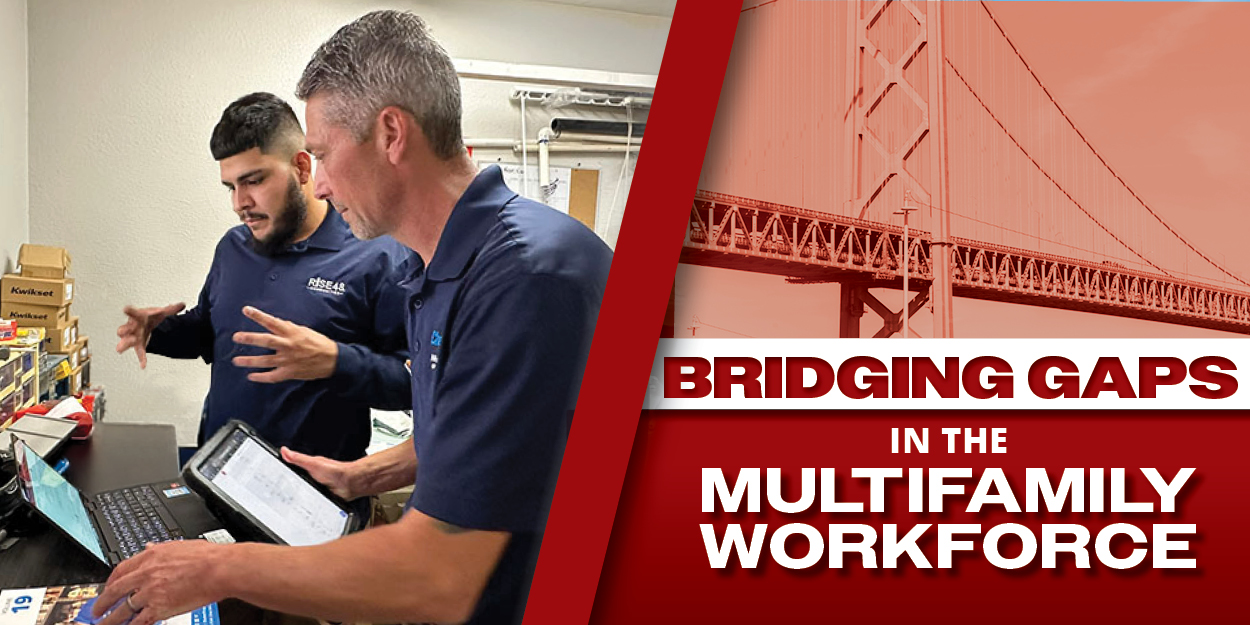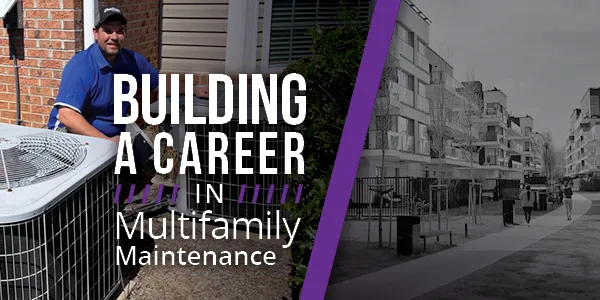
Building the Next-Generation Multifamily Workforce for Multifamily Maintenance
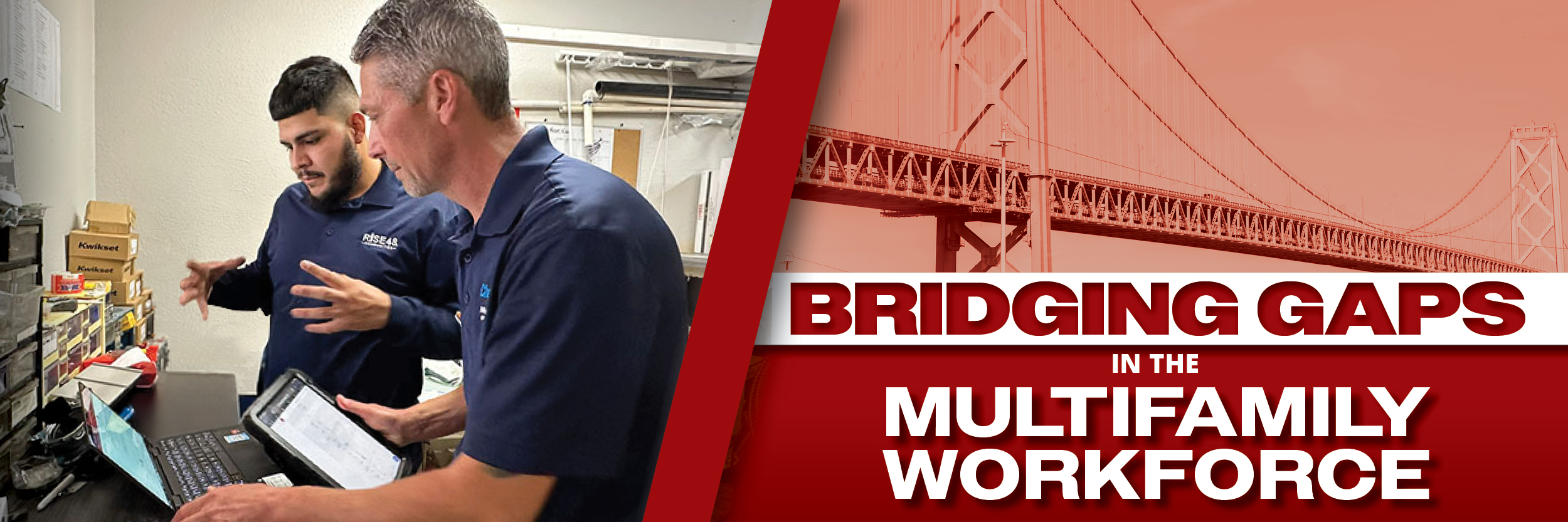



From Skill Gaps to Sustainable Career Paths
The multifamily industry is no stranger to workforce challenges. Turnover remains high, competition for skilled talent is intense, and many operators are feeling the strain of labor and skill gaps—particularly on the maintenance side. Yet within these challenges lies a powerful opportunity: to rethink how we attract, develop, and retain talent by focusing on potential, training, and clearly defined career pathways.
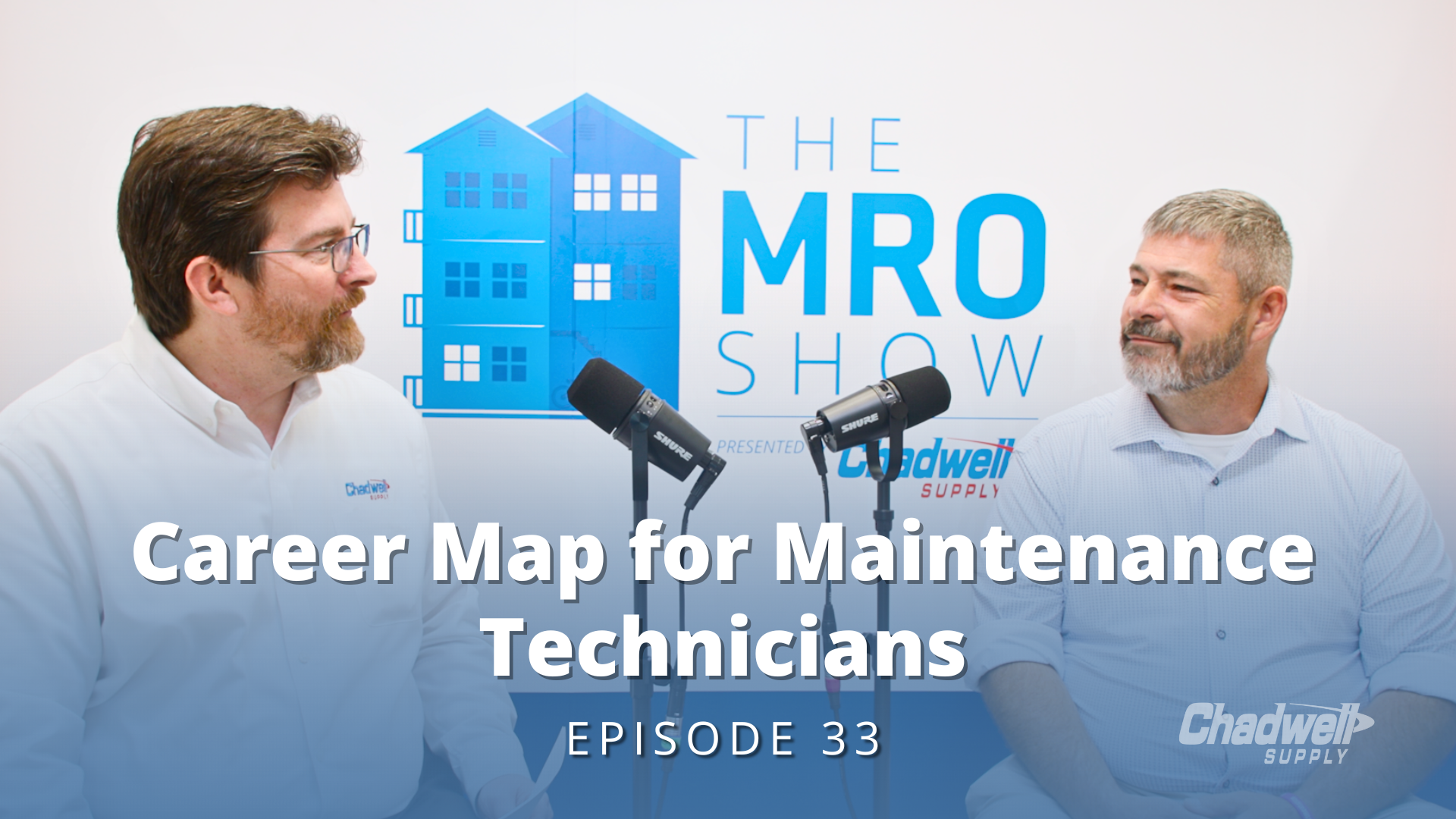
Insights from recent conversations with industry leaders on The MRO Show (Episodes 33, 35 & 45) highlight a consistent message for multifamily management teams: the future workforce will not be built by hiring for skill alone, but by investing in people and creating environments where those people can thrive.
Hire for Potential, Develop for Performance
One of the most significant shifts multifamily leaders are making is moving away from a strict “skills-first” hiring mindset. While technical expertise remains important, it is increasingly difficult to find candidates who check every box on day one.
Instead, successful operators are hiring for attitude, passion, and willingness to learn. Candidates who demonstrate curiosity, accountability, and pride in their work often outperform more experienced hires over time, especially when supported by strong leadership and training.
For property managers and maintenance supervisors, this means asking a different set of questions during the hiring process:
- Does this candidate want to grow?
- Are they open to coaching and feedback?
- Do they demonstrate ownership and work ethic?
When those fundamentals are present, technical skills can be taught. Bad habits and disengagement are far harder to fix.
Bridging the Generational Divide
It is easy to label workforce challenges as “generational,” but that framing can be limiting. Younger employees may approach work differently, but they also bring strengths: adaptability, comfort with technology, and a desire for purpose and transparency.
Multifamily leaders who are seeing success are choosing to meet employees where they are, blending proven operational standards with modern ways of learning and working. This balance allows teams to work smarter while preserving the discipline and service expectations that residents depend on.
Leaders should model the behavior they expect. Teams notice when managers show up in the field, participate in training, and demonstrate humility. Leadership by example builds trust; and trust is the foundation of retention.
Training Is Not Optional—It’s Strategic
Training is often viewed as a cost, but top-performing organizations treat it as an investment. Classroom sessions, certifications, and digital learning all play a role, and each of these options should be part of a comprehensive training program.
When leaders invest in training, they ignite motivation. Employees who feel invested in are far more likely to return that investment in the organization.
Key considerations for multifamily operators:
- Do supervisors have the time and tools to train effectively?
- Is training structured, or does it happen only when something breaks?
- Are expectations clearly communicated and reinforced?
The difference between a “checklist manager” and a “business manager” often comes down to how intentionally they develop their people.
Career Paths Reduce Turnover
One of the clearest drivers of maintenance turnover is uncertainty about the future. When technicians cannot see what comes next, or what it takes to advance, they are far more likely to leave.
High-retention organizations address this by clearly mapping career paths. Entry-level roles connect logically to senior technician, service manager, and regional leadership positions, with defined expectations for each step.
Effective career mapping includes:
- Transparent promotion criteria
- Structured training programs
- Recognition and compensation aligned with growth
Even when immediate promotions are not available, acknowledging progress matters. Increasing pay, expanding responsibilities, or providing leadership exposure reinforces that effort is noticed and valued.
Recognition, Credentials, and Self-Investment
Another common trait among strong multifamily teams is a culture that values self-improvement. Certifications, industry credentials, and continued education signal commitment from both the employee and the employer.
When managers recognize and reward these efforts, it creates momentum. Employees who feel appreciated work harder, stay longer, and often become ambassadors for the organization.
When senior leaders demonstrate they are willing to do the same work they ask of others—whether picking up trash or coaching through mistakes, it reinforces a culture of mutual respect.
Lead With Humanity, Not Just Metrics
Multifamily is a performance-driven industry, but sustainable success requires balancing profitability with people. Leaders who focus solely on output often experience burnout and turnover. Those who invest in their teams build loyalty and long-term results.
Feedback, even when it stings, is part of growth. Creating a culture where coaching is delivered with respect and received with openness allows individuals and organizations to improve together.
At its core, workforce development in multifamily is about remembering the human side of the business. When leaders pour into their teams, demonstrate confidence, and follow words with action, they create environments where people want to stay and grow.
A Simple Workforce-Building Playbook
- Define 4–6 core competencies for each role level.
- Publish a ladder + pay bands + promotion criteria.
- Launch a 30/60/90 onboarding plan (skills + soft skills).
- Train monthly (technical + resident communication).
- Recognize credentials and progress (even without title changes).
Final Takeaway for Multifamily Leaders
The workforce gap will not be solved by waiting for “perfect” candidates. It will be solved by:
- Hiring for potential
- Training with intention
- Mapping clear career paths
- Leading by example
Multifamily offers extraordinary career opportunities for those willing to invest in people. Organizations that embrace this mindset will bridge today’s labor gaps and build the next generation of industry leaders.
FAQs
How do you attract better multifamily jobs candidates?
Lead with growth: training, certifications, schedule clarity, and leadership support. Candidates want a future, not just a role.
What should a maintenance career ladder include?
Titles, competencies, pay bands, training milestones, and promotion criteria. Review progress quarterly and recognize wins.
How do you keep training from becoming “optional”?
Put it on the calendar, protect the time, and tie modules to skills checks, pay steps, and team KPIs.
How do you build a multifamily maintenance workforce that lasts?
Hire for potential, train intentionally, and map transparent career paths. When techs see what’s next—and how to get there—retention rises and recruiting becomes easier.
What should you look for when hiring for potential?
Curiosity, accountability, coachability, and pride of work. Technical skills can be taught faster than attitude, reliability, and ownership.
How do you bridge skill gaps without sacrificing standards?
Use a 30/60/90-day plan, buddy system, and skills checklist. Reinforce safety, resident communication, and service quality through weekly coaching and monthly assessments.
Why do career paths reduce turnover?
Uncertainty causes exits. Clear ladders (entry → tech → senior → supervisor → regional) plus pay bands and training milestones create stability and motivation—even when promotions aren’t immediate.