Apartment Turnover Checklist: 5 Unit Refresh Mistakes to Avoid During Upgraded Turns



Insights for Multifamily Property Managers, Inspired by Real-World Renovation Strategies
Renovations don’t have to be large-scale, budget-breakers to move the needle. In fact, some of the most successful multifamily operators are winning by making targeted, strategic improvements during turns.
Table of Contents
- Quick Summary: Common Mistake → Better Approach (table)
- Mistake 1: Waiting for a full renovation
- Mistake 2: Underestimating cost of vacancy
- Mistake 3: Ignoring prospect feedback
- Mistake 4: Skipping high-impact, low-cost upgrades
- Mistake 5: Failing to plan and communicate
- Final thought: Small changes, big impact
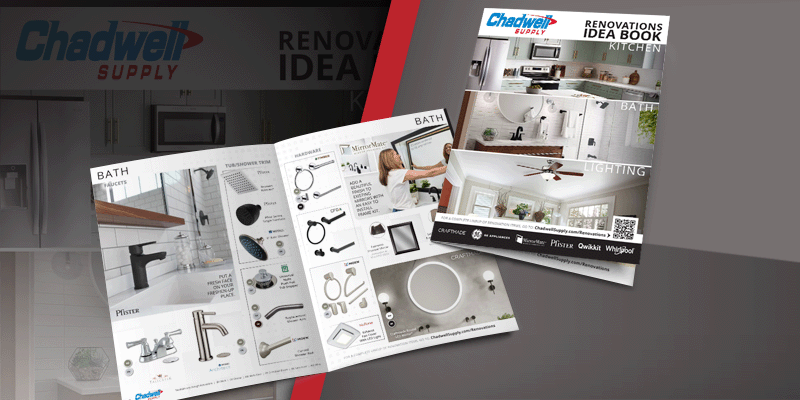
- Next step: Turn planning support
- FAQs
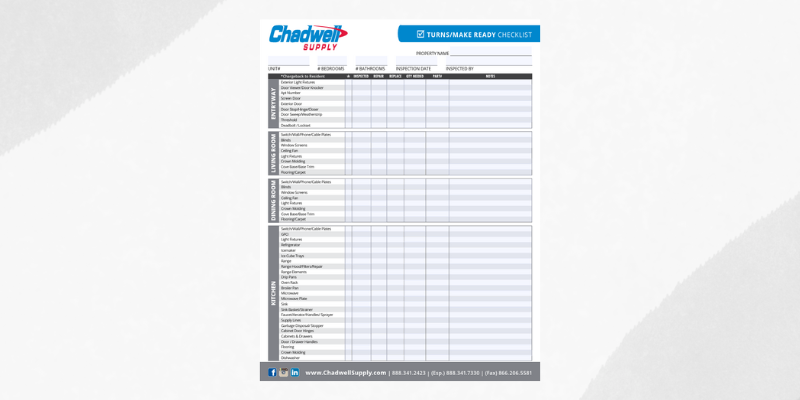
If you’re building an apartment turnover checklist, this is the fastest way to protect leasing performance: avoid the five unit refresh mistakes that quietly extend turn time, increase vacancy loss, and make units feel dated during tours. The best part? You don’t need a full renovation budget to win—you need repeatable upgraded turns and a consistent apartment make ready process.
Key Takeaway: To improve turns without overspending, focus on (1) small upgrades instead of waiting for a full renovation, (2) measuring the cost of vacancy, (3) listening to tour feedback, (4) prioritizing high-impact upgrades like a lighting upgrade, and (5) planning materials + communication before the first unit starts.
Quick Summary: Common Mistake → Better Approach
| Common Mistake | Better Approach |
|---|---|
| Waiting for a full renovation | Run upgraded turns: small, strategic improvements during turns |
| Only looking at upgrade cost | Compare upgrade cost to cost of vacancy and concessions |
| Guessing what prospects want | Use tour feedback to set refresh priorities |
| Assuming upgrades require big budgets | Prioritize “low-hanging fruit” (especially updated lighting) |
| Starting without a plan | Align goals, timeline, materials, and communication first |
Mistake 1: Waiting for a Full Renovation Instead of Acting Now
One of the most common mistakes is delaying improvements because a full renovation isn’t in the budget. Waiting too long can lead to a bigger problem: ongoing vacancy loss and declining competitiveness.
When units sit unrenovated, they can become harder to lease, especially when nearby properties are upgrading. Over time, a handful of slow-moving units can turn into a significant revenue gap.
Better approach: Think “upgraded turns”
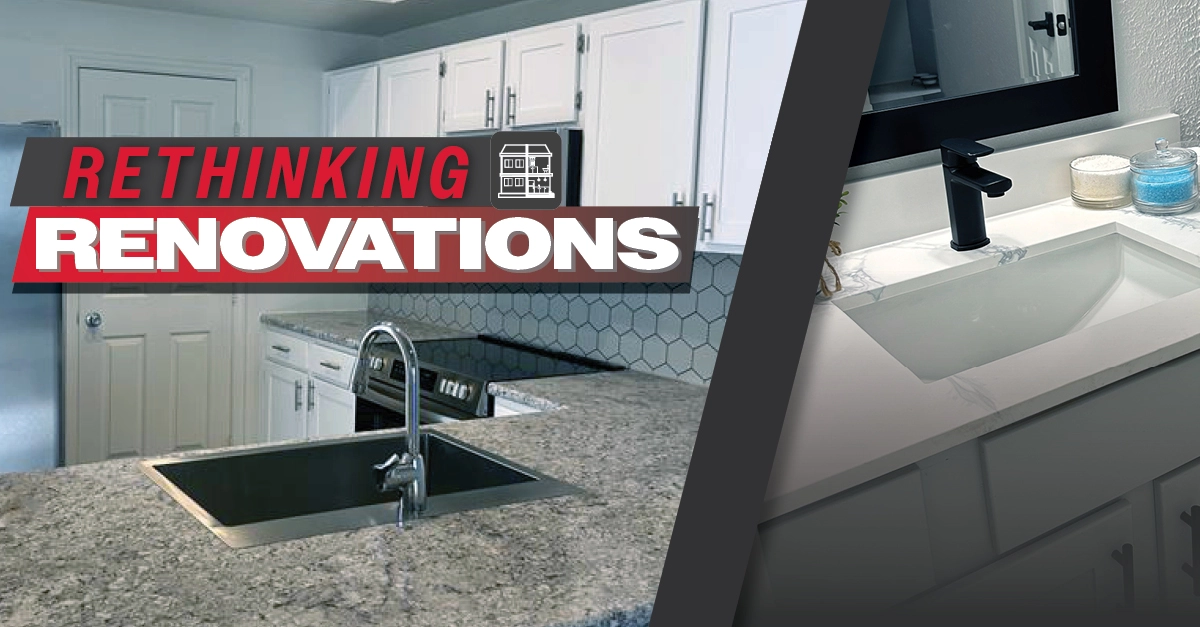
Think in terms of “upgraded turns” instead of full renovations. Small upgrades can help you stay competitive and reduce vacancy loss.
Do this during the next turn:
- Pick 2–3 visible upgrades you can repeat unit-to-unit
- Standardize SKUs and finishes so ordering stays simple
- Treat upgrades as “turn muscle” you build, not a one-time event
Mistake 2: Underestimating the Cost of Vacancy vs. the Cost of Upgrades
Many property teams focus heavily on the cost of renovations but overlook the cost of doing nothing. That’s a trap! Lost rent from prolonged vacancies or concessions can quickly outweigh the investment in modest upgrades.
Better approach: Reframe the math
Ask both questions before approving (or delaying) refresh work:
- Not only: “What will this upgrade cost?”
- But also: “What is it already costing us not to upgrade?”
Targeted improvements that shorten vacancy time or improve closing ratios can deliver immediate ROI.
Practical application for turn planning:
- Identify your “problem units” (slow leases, repeated objections, frequent concessions)
- Apply the same 2–3 upgrades consistently and track:
- days vacant
- concession frequency
- tour-to-lease conversion notes
Mistake 3: Ignoring What Prospects Are Actually Telling You
Too often, refresh decisions are made based on assumptions rather than real feedback. Meanwhile, prospects are actively telling leasing teams what they want during tours.
Comments like:
- “I like the flooring better at the place down the street”
- “This feels a little dated”
- “I wish there was more light”
These are not casual remarks; they are direct indicators of what’s impacting leasing decisions.
Better approach: Use tour feedback as your refresh roadmap
Actively listen during walkthroughs. Patterns will emerge quickly:
- lighting concerns
- outdated finishes
- missing features compared to competitors
Use this real-time feedback to inform your refresh strategy instead of relying solely on market surveys.
Implementation tip:
Create a simple “tour objections” log (one shared doc):
- objection
- unit type/building
- fix applied
- outcome (leased faster? fewer follow-up objections?)
Mistake 4: Overlooking High-Impact, Low-Cost Upgrades
A major mistake is assuming meaningful upgrades require large budgets. Many of the most impactful changes are relatively inexpensive, but highly visible.
Some examples include:
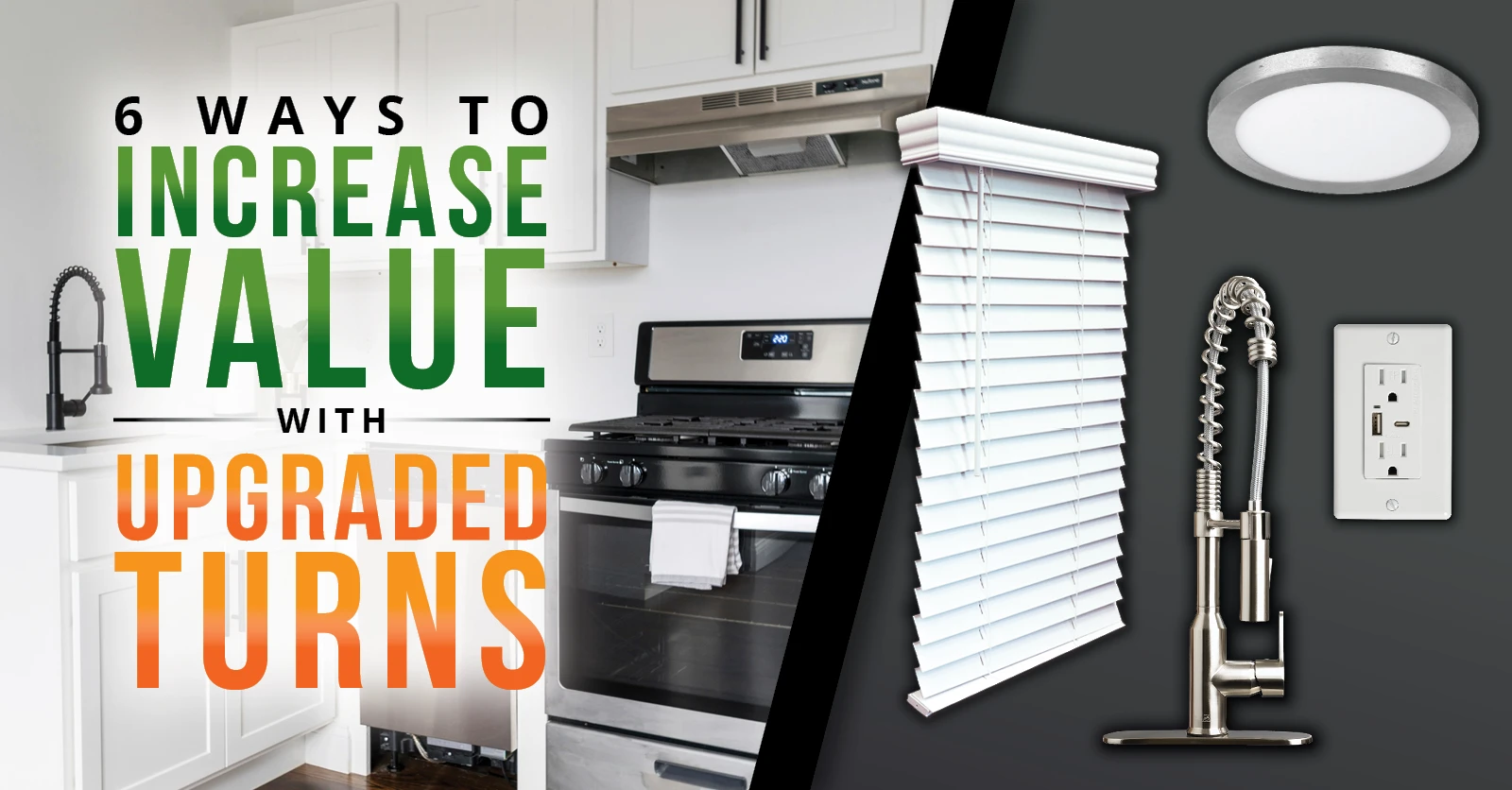
- Updated lighting (a major driver of “dated” perception)
- cabinet faces and pulls
- fresh paint and clean finishes
- blinds, baseboards, and door hardware
- faucets
Lighting plays an outsized role. Prospects often judge a unit’s modernity within seconds, and outdated fixtures can override other upgrades.
Better approach: Prioritize “low-hanging fruit”
Focus on “low-hanging fruit” upgrades that improve perception immediately. These small details can:
- improve first impressions
- boost tour-to-lease conversion
- make units feel fresh without major expense
Fast wins to standardize:
- One modern fixture package per unit type
- One hardware finish (handles + pulls + door hardware)
- One blind style + color
- One paint standard (with touch-up process)
Mistake 5: Failing to Plan and Communicate the Refresh Strategy
Even small upgrades can miss the mark without proper planning. Delays, missing materials, and unclear direction can extend turn times and frustrate teams and residents.
Renovation success ultimately comes down to:
- clear goals
- consistent communication
- proper planning
- reliable material availability
Without these elements, even simple refreshes can become frustrating and costly.
Better approach: Plan the turn like a project
Before starting any unit refresh:
- define the objective (rent growth, speed, retention, etc.)
- align your team and vendors
- ensure materials are available on your timeline
Operator-friendly workflow:
- 1-page scope by unit type
- SKU list + reorder threshold
- delivery windows scheduled ahead of turns
- “who owns what” responsibility map (ordering, staging, install, QC)
Final Thought: Small Changes, Big Impact
One of the biggest takeaways from real-world multifamily renovation experience is this: You don’t need a massive budget to stay competitive. You need intentional, consistent action.
From upgraded lighting to refreshed fixtures, from faster turns to better listening, these incremental improvements compound over time. They not only improve leasing performance but also signal to residents that the property team values them.
In today’s competitive environment, perception truly is reality. And often, it’s the properties that execute the basics well, that come out ahead.
Next step: Get support for faster turns
If you’re seeing the same objections across multiple units, it’s usually a standardization issue, not a one-off. Build a simple upgraded-turn standard by unit type, stage materials, and run your checklist every time.
FAQs
What should be on an apartment turnover checklist?
Include steps that prevent delays and improve first impressions: staged materials, a defined refresh scope per unit type, quick high-visibility upgrades (like lighting), and a final QC checklist.
What’s the difference between a unit refresh and a full renovation?
A unit refresh is a targeted set of upgrades during turns; a full renovation is a larger CapEx project. Refreshes win when standardized and repeated consistently across units.
How do upgraded turns reduce vacancy loss?
They keep units competitive without waiting for large projects—reducing “dated” objections, speeding decisions, and lowering time vacant.
What are the highest-impact low-cost upgrades?
Updated lighting, hardware/pulls, fresh paint, blinds, and faucets are common “perception multipliers” because prospects notice them immediately.
How do I prioritize upgrades with limited budget?
Use tour feedback patterns (“dated,” “not enough light,” “better flooring elsewhere”) to choose the smallest upgrades that remove the biggest leasing objections.